



During the development of biologics, including antibody therapeutics such as monoclonal antibodies, bispecific antibodies, antibody-drug conjugates (ADCs), and nanobodies, nonclinical safety evaluation is a critical step in ensuring the successful progression of drug candidates into clinical development and ultimately to market. Tissue Cross-Reactivity (TCR) studies, as a core technical approach for assessing off-target risks and predicting potential target organs of toxicity, support IND/CTA submissions and represent a key step throughout the entire drug development process.
Leveraging a comprehensive GLP-compliant quality system, InnoStar Nantong Co., Ltd. has established a professional, standardized, and integrated TCR study platform. Focused on the nonclinical safety evaluation needs of antibodies, antibody-derived molecules, ADCs, bispecific antibodies, and other therapeutic modalities, the platform provides end-to-end solutions ranging from method development and optimization to study report preparation and regulatory submission support, establishing a solid technical foundation for safety control in drug development.
Core Technical System Supporting the Entire Study Lifecycle
Tissue processing includes both formalin fixation and rapid freezing using liquid nitrogen or dry ice. One-step and two-step staining methods are available. Studies are conducted in strict accordance with FDA, NMPA, and EMA guidelines, incorporating multiple concentration levels, standardized tissue sourcing (three unrelated human donors or three unrelated animals), and a complete control system. A staining intensity scoring system ranging from 0 to 4 is employed to enable accurate qualitative assessment and localization analysis of study results.
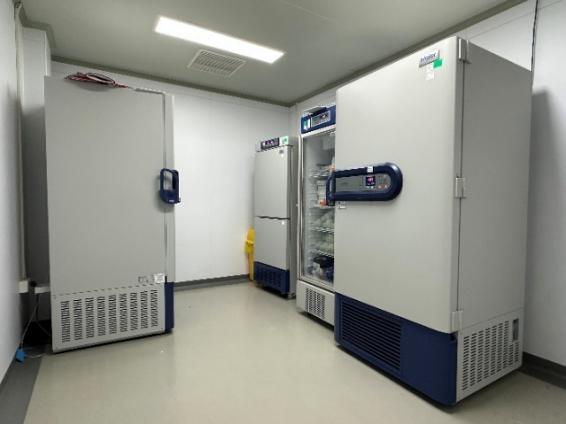
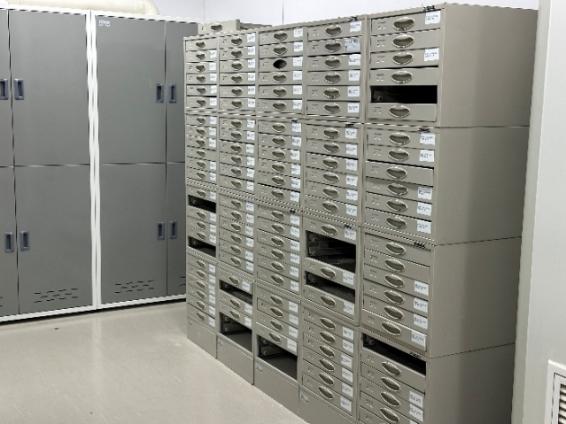
Figure 1. Laboratory Facilities (Left: −80°C Ultra-Low Temperature Storage and Full-Chain Cold Chain Monitoring; Right: Storage of Paraffin-Embedded Tissue Samples)
Tissue Cross-Reactivity (TCR) studies are centered on the specific antigen–antibody binding mechanism. Immunohistochemistry (IHC) is employed as the primary detection method, while Immunocytochemistry (ICC) and other techniques are also supported. Through approaches such as protein injection into muscle tissue, study protocols can be customized according to the drug type and development requirements.
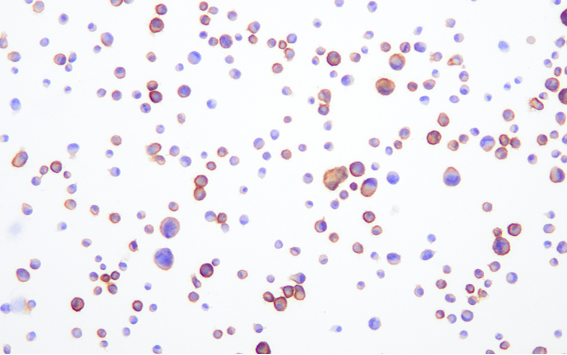
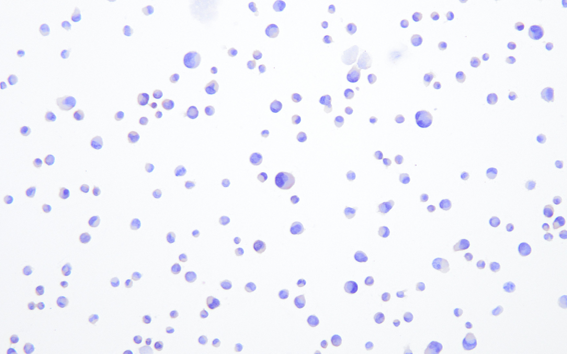
Figure 2. 293T Cells (Left: Test Article Group, Cells Exhibiting Brown Specific Staining; Right: Negative Control, No Background Staining Observed)


Figure 3. Protein-Injected Rat Muscle (Left: Test Article Group, Brown Specific Staining Observed at the Injection Site; Right: Negative Control, No Background Staining Observed)
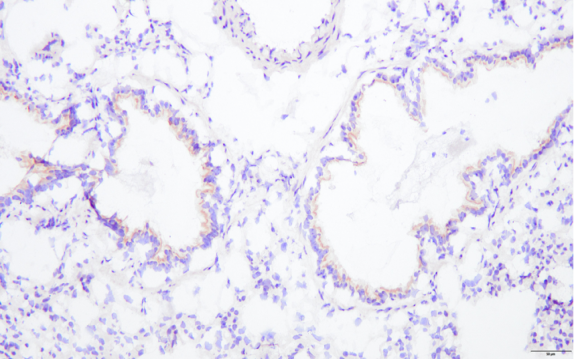
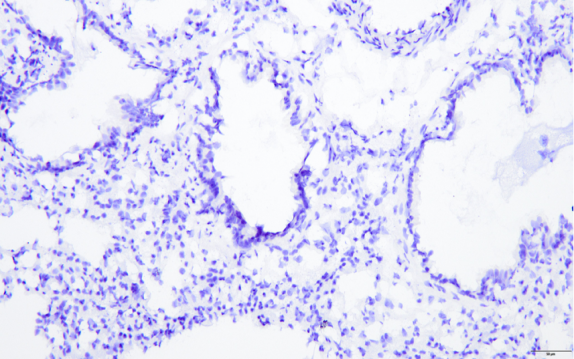
Figure 4. Rat Lung Tissue (Left: Test Article Group, Brown Specific Staining Observed in the Bronchi; Right: Negative Control, No Background Staining Observed)
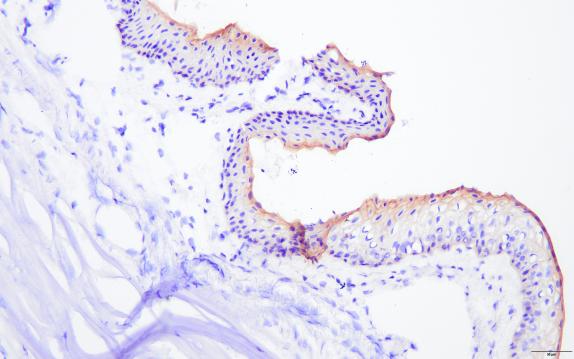
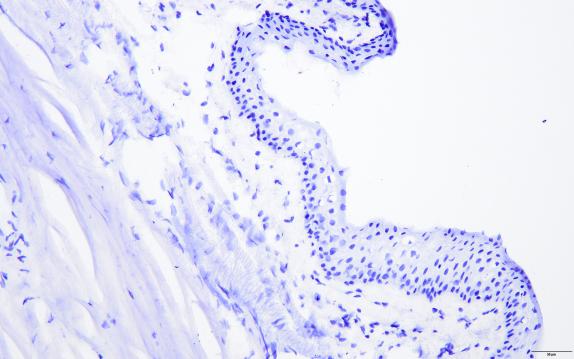
Figure 5. Human Ocular Tissue (Left: Test Article Group, Conjunctiva Exhibiting Brown Specific Staining; Right: Negative Control, No Background Staining Observed)
From method development and optimization (including the determination of optimal conditions for specific antibody staining and the selection of the optimal testing concentration), to tissue screening and validation (verifying method reliability through positive and negative controls), and subsequently to formal studies (conducting systematic evaluations in human and animal tissues), a standardized technical workflow has been established.
Comprehensive GLP Compliance Ensuring Data Integrity and Traceability
The platform strictly complies with OECD GLP principles and guidance documents such as ICH S6(R1) and has established a comprehensive compliance and quality system covering personnel, facilities, documentation, and data management. This system ensures the quality, integrity, reliability, and traceability of study data and meets the requirements for IND/CTA regulatory submissions.
• Professional Team: A comprehensive onboarding and continuous training system has been established to ensure proficiency in study operations and regulatory requirements. Study directors are primarily PhD- and Master’s-level professionals with extensive experience in Tissue Cross-Reactivity (TCR) studies.
• Dedicated Facilities and Equipment: The platform is equipped with -80°C ultra-low temperature tissue storage systems, dedicated immunohistochemistry (IHC) staining areas, high-resolution optical microscopes, digital imaging systems, and dedicated P2-level laboratories (BSL-2, Biosafety Level 2 laboratories). All instruments and equipment have been calibrated and qualified, with complete records maintained.
• Standardized Document Management: Comprehensive Standard Operating Procedures (SOPs), study protocols, and quality assurance manuals have been established. A full-process document control system covering document numbering, issuance, revision, and archiving is implemented, while electronic records are protected through multiple backup measures.
• Rigorous Data Management: Raw data are recorded promptly and accurately throughout the study process. Image files are maintained with complete metadata, and all data modifications are fully traceable through audit trails, ensuring compliance with regulatory inspection requirements.
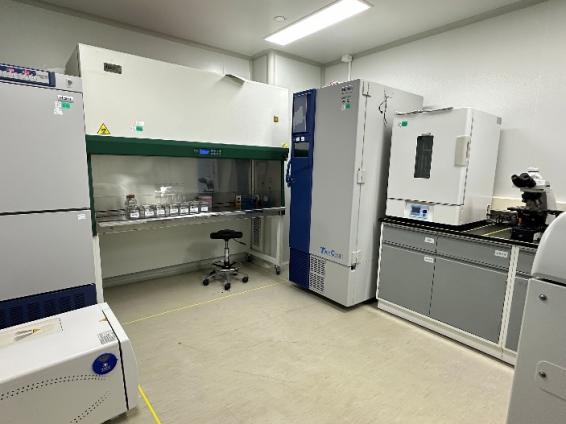
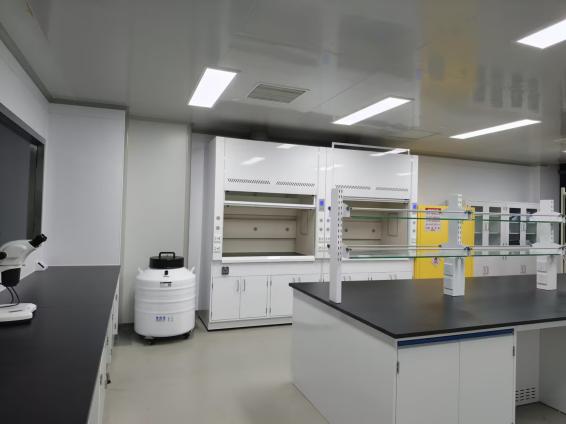
Figure 6. Laboratory Facilities (Left: BSL-2 Laboratory (Biosafety Level 2 Laboratory); Right: Immunohistochemistry (IHC) Staining Laboratory)
Customized Solutions for Multiple Drug Modalities Across All Development Stages
The platform has extensive expertise in Tissue Cross-Reactivity (TCR) studies and develops customized study solutions based on the molecular characteristics and development challenges of different drug modalities. Services cover the entire development continuum, including early-stage screening, nonclinical safety evaluation, Phase I clinical risk assessment, and post-marketing pharmacovigilance. To date, the platform has provided professional TCR study services for a wide range of therapeutic modalities, including monoclonal antibodies, antibody-drug conjugates (ADCs), polyclonal antibodies, and fusion proteins.
• Monoclonal Antibodies: Evaluate tissue binding profiles, support the selection of appropriate animal species for toxicology studies, verify the consistency of binding characteristics between biosimilars and reference products, and provide key evidence for in vitro biological activity similarity assessments.
• Antibody–Drug Conjugates (ADCs): Independently evaluate the tissue binding characteristics of intact ADCs, unconjugated antibodies, and payloads to identify the source of toxicity (monoclonal antibody off-target binding or payload release) and predict potential target organs of toxicity.
• Bispecific Antibodies: Assess dual-target binding characteristics, verify tumor-selective mechanisms, evaluate cross-species reactivity, and reduce the risk of off-target toxicity.
• Fusion Proteins: Evaluate the tissue binding distribution of individual functional domains of fusion proteins with their corresponding targets and receptors, verify target-binding specificity and cross-species reactivity, identify potential target tissues in vivo, and provide a scientific basis for animal species selection in preclinical toxicology studies.
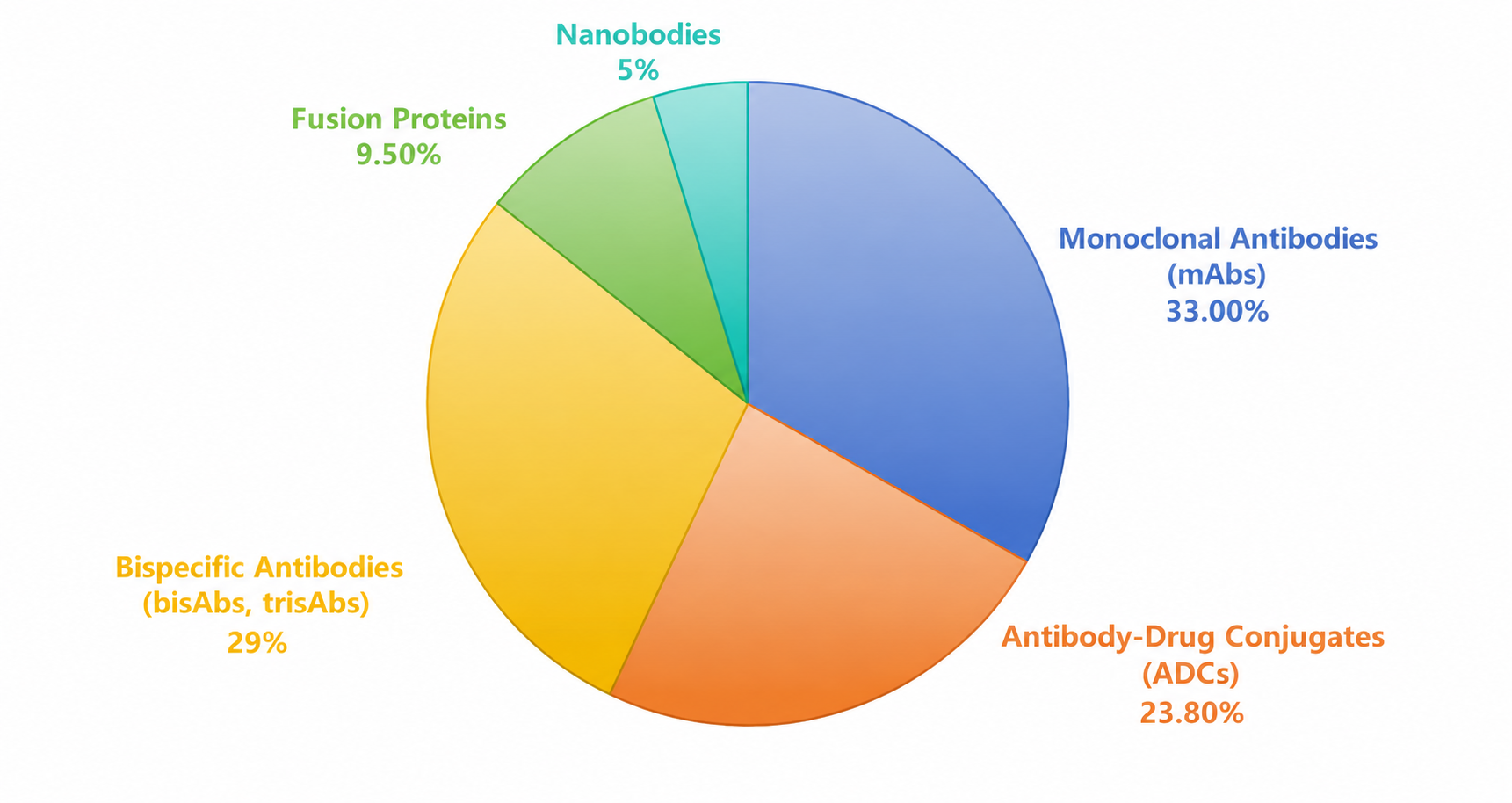
Figure 9. Distribution of Antibody-Based Therapeutics (Drug Modalities in Tissue Cross-Reactivity Studies Completed Internally as of April 2026)
End-to-End Technical Support Facilitating Efficient Regulatory Submissions
In addition to providing standardized TCR study execution services, InnoStar is supported by dedicated technical and regulatory submission teams, offering end-to-end technical support covering study design, result analysis, report preparation, and regulatory submissions.
Study reports are prepared in strict accordance with FDA, EMA, and NMPA regulatory requirements and include comprehensive methodological descriptions, standardized data tables, representative images, and scientifically sound safety assessments and risk analyses. These reports identify off-target binding risks, potential target organs of toxicity, and clinical monitoring recommendations. Furthermore, they are tailored to meet the submission requirements of different regulatory authorities, helping facilitate successful regulatory review and approval.
Technological Innovation and Global Alignment Driving New Trends in Safety Evaluation
The InnoStar TCR platform closely follows global advances in TCR technologies and trends in regulatory science. By integrating digital pathology and multiplex immunofluorescence technologies, the platform enhances the objectivity and relevance of study results. At the same time, it continuously aligns with the latest regulatory guidelines and requirements issued by the FDA, EMA, and NMPA, while adhering to ICH harmonized standards. Through ongoing optimization of study methodologies and quality systems, the platform has completed 21 TCR studies to date, of which 11 have successfully supported progression into clinical development under FDA, NMPA, and other domestic and international regulatory pathways.
Looking ahead, we will continue to place technological innovation at the core of our development, build upon a foundation of GLP compliance, and remain guided by customer needs. By continuously strengthening our TCR platform capabilities, we are committed to providing more precise, efficient, and professional nonclinical safety evaluation services for global drug development, helping accelerate the safe and successful advancement of innovative therapeutics into the clinic while safeguarding public health.
▶ Dedicated scientific teams providing end-to-end project support and customized study design
▶ GLP-compliant laboratories meeting domestic and international regulatory submission requirements
▶ Extensive experience across multiple drug modalities, supporting all stages of drug development
Address: 199 Guoshoujing Road, Pilot Free Trade Zone, Shanghai, China
Postcode: 201203
Tel: +86-21-60211999
services@innostarbio.com
86-021-xxxxxxx

Scan the QR code
Subscription to our Wechat account
Copyright © 2017-2021©Shanghai InnoStar Bio-tech Co., Ltd. All Rights Reserved. Created By VPABrand.com